
The words are there.
Find what’s next.
See the missing link, the unclear claim, or the point worth developing.
Start free. Sign in for AI.
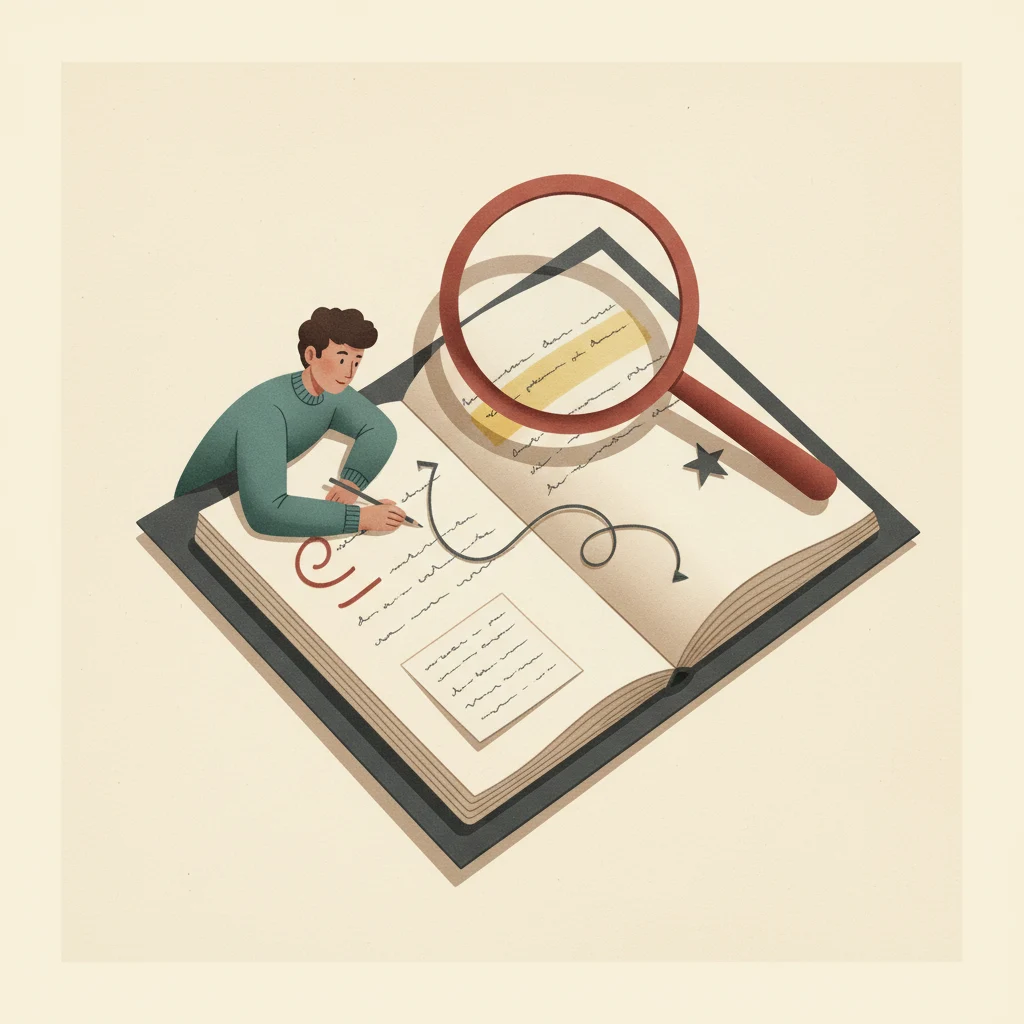
Bring your draft.
Paste text or import your document.
Look a little closer.
Check argument, evidence, and clarity.
Make it stronger.
Understand the feedback. Revise your way.
“Make it better”
isn’t much help.
A useful question gives you a concrete next move.
Put feedback into practice →Should school libraries stay open later?
A useful next questionWhat would you need to know before recommending longer hours?
Longer library hours would improve everyone’s results.
Everyone? In what way?
Identify who might benefit. Then find evidence for the connection.
Your next moveExplain how a quiet study space could help a particular group.
Illustrative example. Your ideas and evidence shape the result.
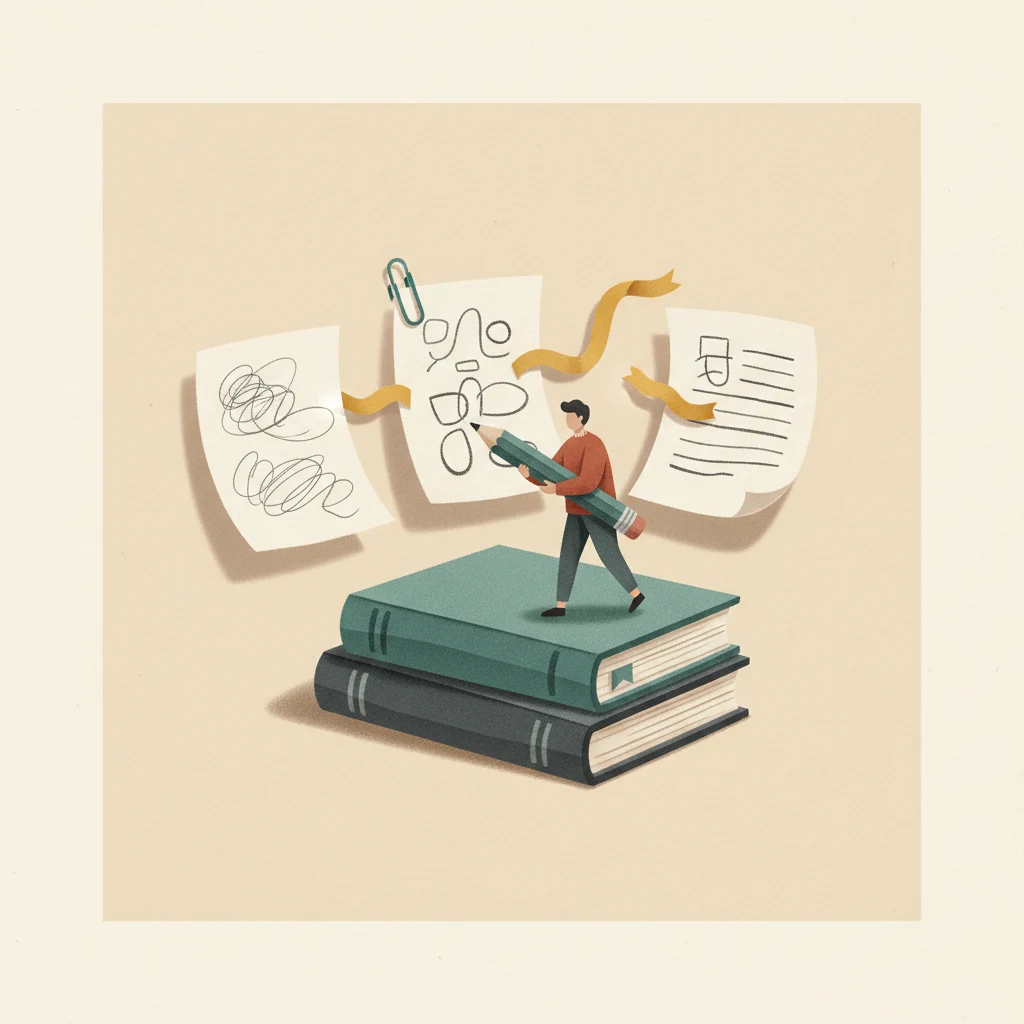
Question.
Revise.
Keep going.
Ask about a comment. Return to the passage. Keep your earlier feedback close.
Good to know.
Does feedback predict my grade?
No. It helps you revise. Your teacher’s judgement and marking criteria remain the reference.
Is feedback the same as an AI or plagiarism scan?
No. Those are separate checks with separate word allowances. An AI detection score cannot establish authorship.
Should I check what the AI says?
Yes. Verify facts, quotations, sources, and suggested interpretations against the original material.
Your first draft is a starting point.
Find one useful change. Start there.
Start free. Sign in to use AI.